


Cart
Your cart is empty.
Click here to purchase!


The original Elcan 66 mm f/2 was developed for a classified US Navy contract and produced in a very limited run of approximately 200 units. In the late 1960s, Dr Walter Mandler, Head of Optical Development at Ernst Leitz (Canada) Ltd., designed this highly specialised lens for discreet reconnaissance and documentation.
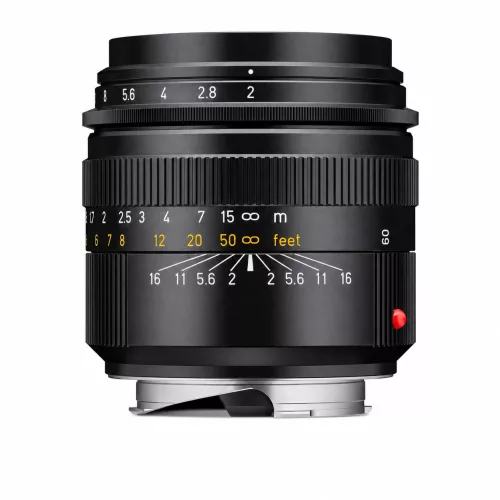
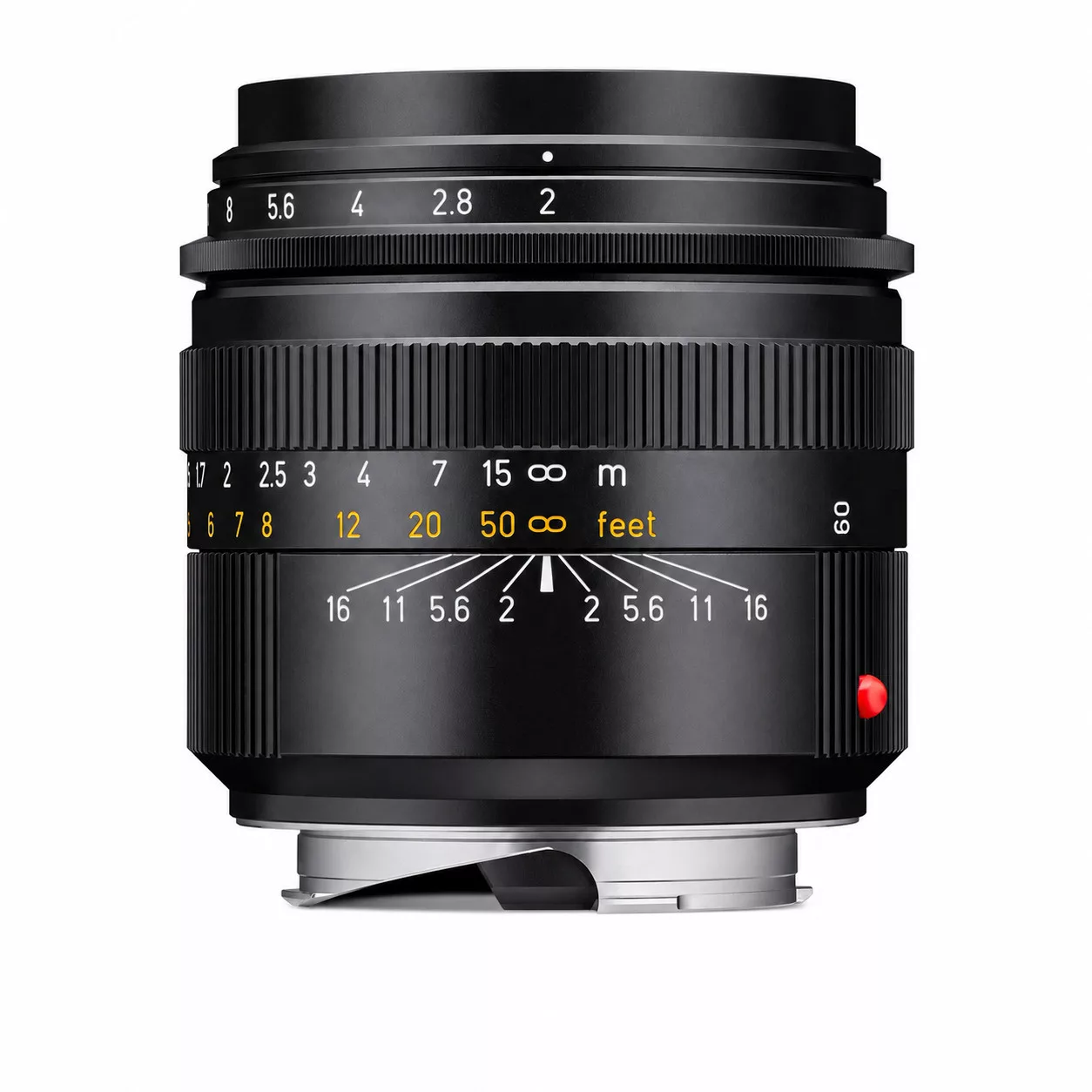
Today, Leica brings this exceptionally rare concept back to life as part of the Leica Classic Line. The new Summicron-M 66 f/2 is limited to only 660 units worldwide, making it not only an extraordinary photographic tool but also a unique piece of Leica history.
The unusual 66 mm focal length was not chosen for stylistic reasons. It was the result of a highly specific optical requirement: to achieve exceptional resolution while retaining a fast maximum aperture and a compact, unobtrusive design.
Dr Walter Mandler determined that a focal length of 66 mm provided the ideal balance between these requirements. The modern Summicron-M 66 f/2 continues this concept, offering photographers a distinctive perspective that bridges the gap between traditional standard and portrait focal lengths.
The 66 mm focal length delivers a natural-looking perspective with a subtle telephoto character. It is particularly well suited to portraits, reportage and situations where the subject should stand out without the field of view becoming too narrow.
At its maximum f/2 aperture, the lens separates the subject clearly from the background while producing a smooth, harmonious bokeh. The result is a sense of depth and dimensionality ideally suited to the distinctive visual language of Leica M photography.
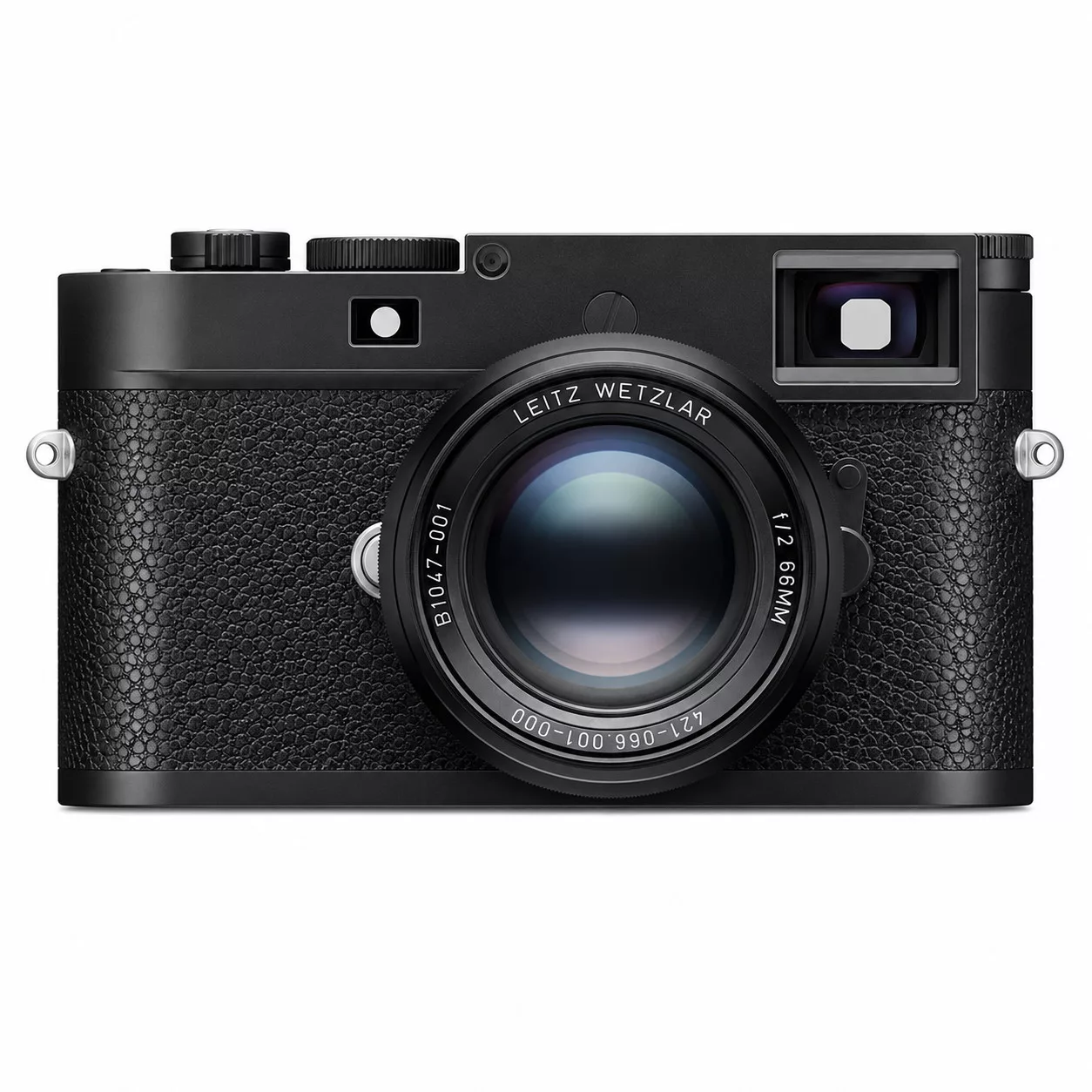
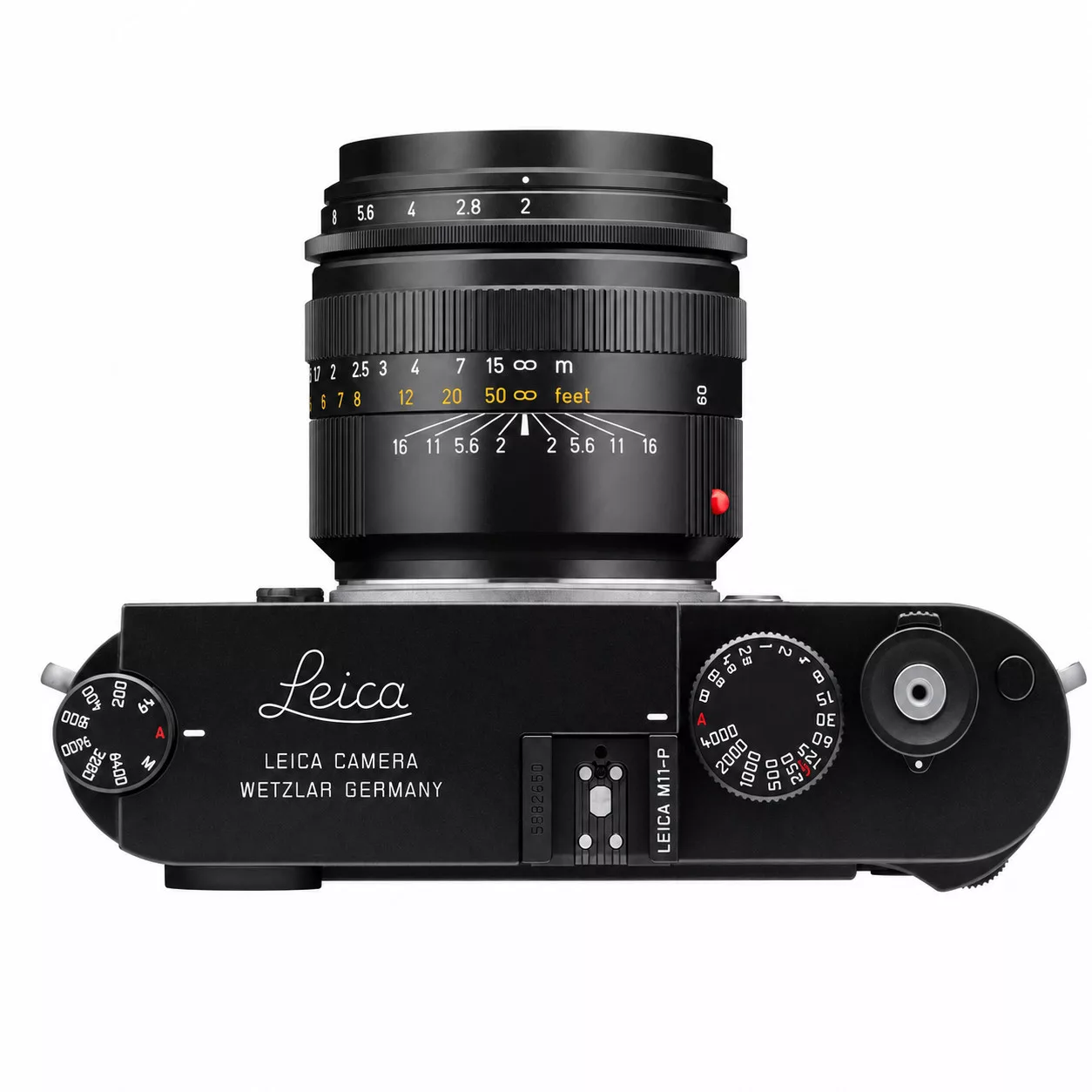
The Summicron-M 66 f/2 can be used on Leica M cameras and, with a suitable adapter, on Leica SL-System cameras.
When stopped down, the Summicron-M 66 f/2 reveals another of its key strengths: outstanding resolution and highly precise rendering of fine detail.
This characteristic was already central to the design of the historic Elcan 66 mm f/2. The original lens had to produce images that could withstand considerable enlargement while preserving critical detail.
The modern interpretation continues this philosophy, making the Summicron-M 66 f/2 particularly compelling for architectural photography, landscapes and detailed close-up compositions.
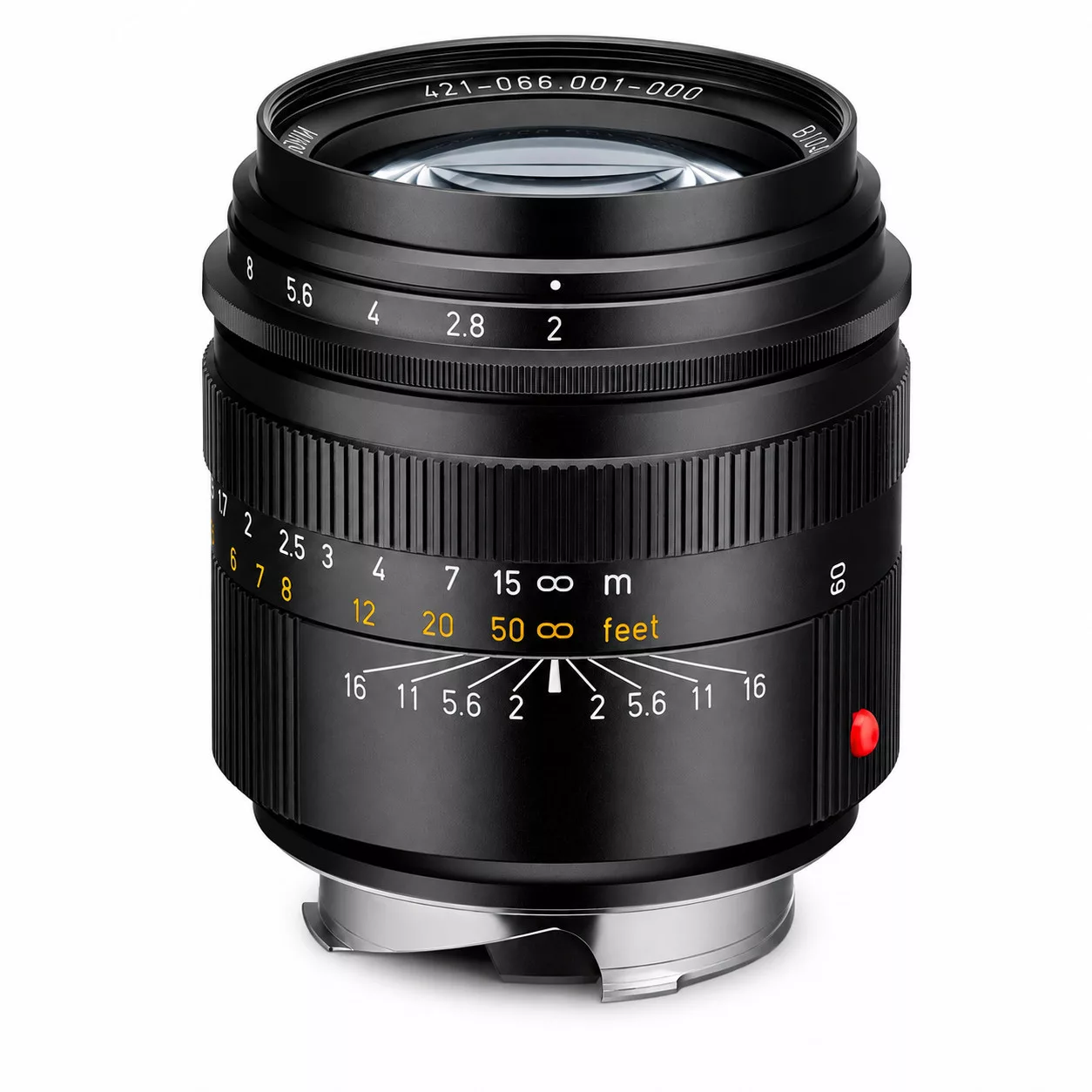
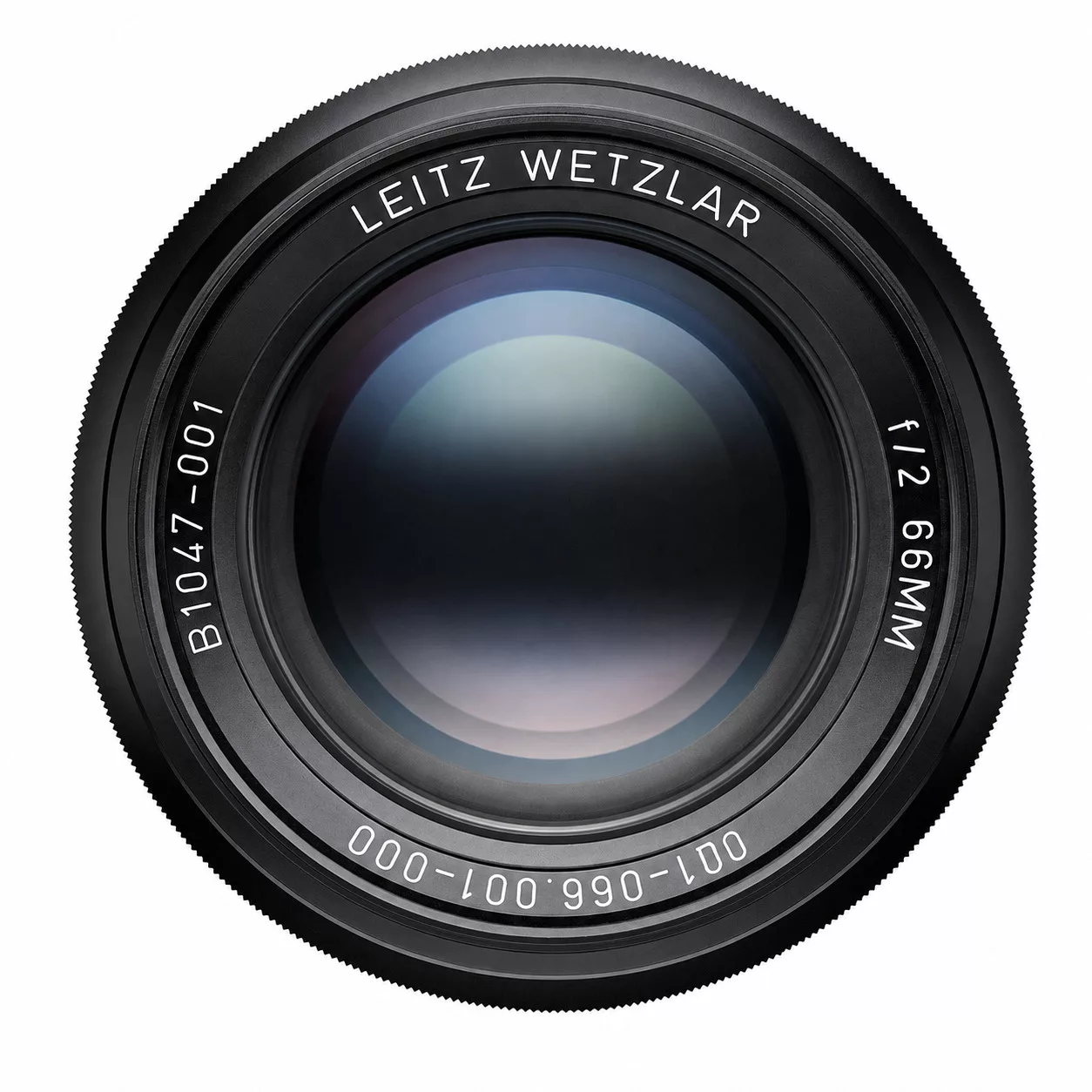
The Summicron-M 66 f/2 is part of the Leica Classic Line and is limited to just 660 lenses worldwide. Each individual lens carries its own unique three-digit edition number engraved on the front ring and is supplied with a certificate of authenticity.
The historic Elcan 66 mm f/2 was never commercially available. Approximately 200 examples were produced for official use, and lenses that occasionally appear on the market today are generally associated with former military inventories.
With the Summicron-M 66 f/2, Leica brings this once inaccessible optical concept into the present. Its unusual focal length, compact dimensions and exceptional resolving power recall an era in which uncompromising optical performance had to be combined with maximum discretion.
Several mechanical details of the historic lens have also been retained. Just like the original Elcan, the aperture ring of the Summicron-M 66 f/2 rotates in the opposite direction to that of conventional Leica M-Lenses. Its distinctive lettering is another subtle reference to the original design.
Only around 200 Elcan 66 mm f/2 lenses were ever produced, making it one of the rarest lenses in Leica M history.
One surviving example is preserved in the Leica Archive in Wetzlar. This particular lens once formed part of the photographic equipment aboard the USS Little Rock guided-missile cruiser. Decades later, the very same lens was used to photograph the decommissioned ship.
Historical accounts also indicate that lenses of this type may have been used by other Western allies during the Cold War. Many examples are associated with the Leica KE-7A, the specialised military version of the Leica M4. Together, the camera and lens provided a compact photographic system capable of discreet operation while recording an exceptional level of detail.
The Summicron-M 66 f/2 incorporates a number of details that pay tribute to its historic predecessor. The original Elcan carried several production and contract markings on its front ring. The contemporary version follows the same principle, displaying the current serial number, its individual limited-edition number and the relevant material number.
Another historical reference can be found on the lens barrel in the form of the “60” engraving. Continuing the tradition of highly precise optical manufacturing, this marking refers to the individually measured actual focal length. In this case, “60” represents an exact focal length of 66.0 mm.
The Summicron-M 66 f/2 is therefore much more than an unusual focal length. It combines modern Leica craftsmanship with one of the most fascinating chapters in the company's optical history – created for photographers who value distinctive rendering, exceptional precision and the heritage behind the lens.